Why the Amtrak Ride Between Philadelphia and New York Feels So Shaky

PHILADELPHIA — If your Amtrak ride between Philadelphia and New York left you queasy, you were not imagining it. The rocking and jolting, especially through New Jersey, has real causes buried in century-old infrastructure and 50-year-old railcars.
The roughest stretch is northern New Jersey. The Northeast Corridor there is packed with interlockings, the switches that move trains between tracks. Each one delivers a lateral jolt, and frequent riders say the rocking gets worse as speeds climb. The 100-year-old Portal Bridge near Secaucus Junction is another notorious bottleneck, and trains must slow for tight curves approaching Trenton and Philadelphia.
Then there is the equipment. Keystone Service and Northeast Regional trains run with Amfleet coaches built between 1975 and 1983. Rail enthusiasts have long noted that the cars’ suspension handles up-and-down motion fine but absorbs side-to-side sway poorly, which is exactly the kind of motion that causes motion sickness.
The Northeast Corridor is the busiest passenger rail line in the country, shared with commuter trains running at very different speeds. That sharing is one reason its curves were never banked aggressively enough for fast, smooth running.
Relief is coming in pieces. The replacement for the Portal Bridge, the Portal North Bridge, is in its final construction phases, with the second phase of track cutover work scheduled Oct. 9 through Nov. 16. Expect single-tracking and reduced service during that window, so check schedules before you travel.
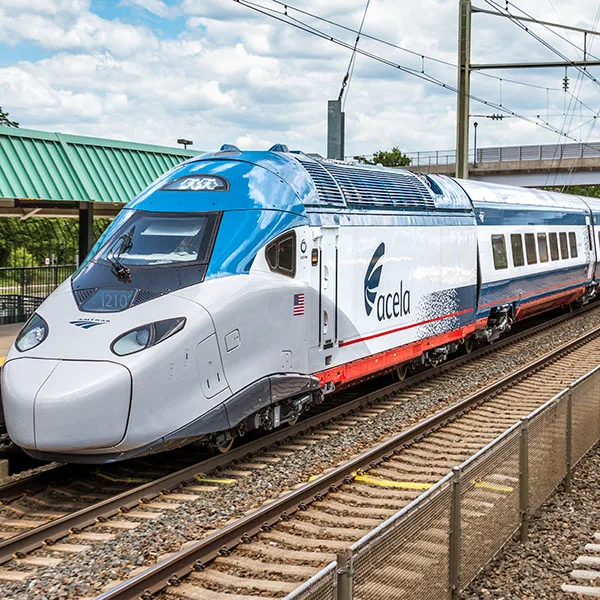
For a smoother trip today, the Acela is the answer. Its tilting technology leans the cars into curves, cutting the sway dramatically, and it covers 30th Street Station to New York Penn Station in about one hour and 12 minutes. The tradeoff is price, and the Acela does not stop at Paoli, so suburban riders need to change at 30th Street.
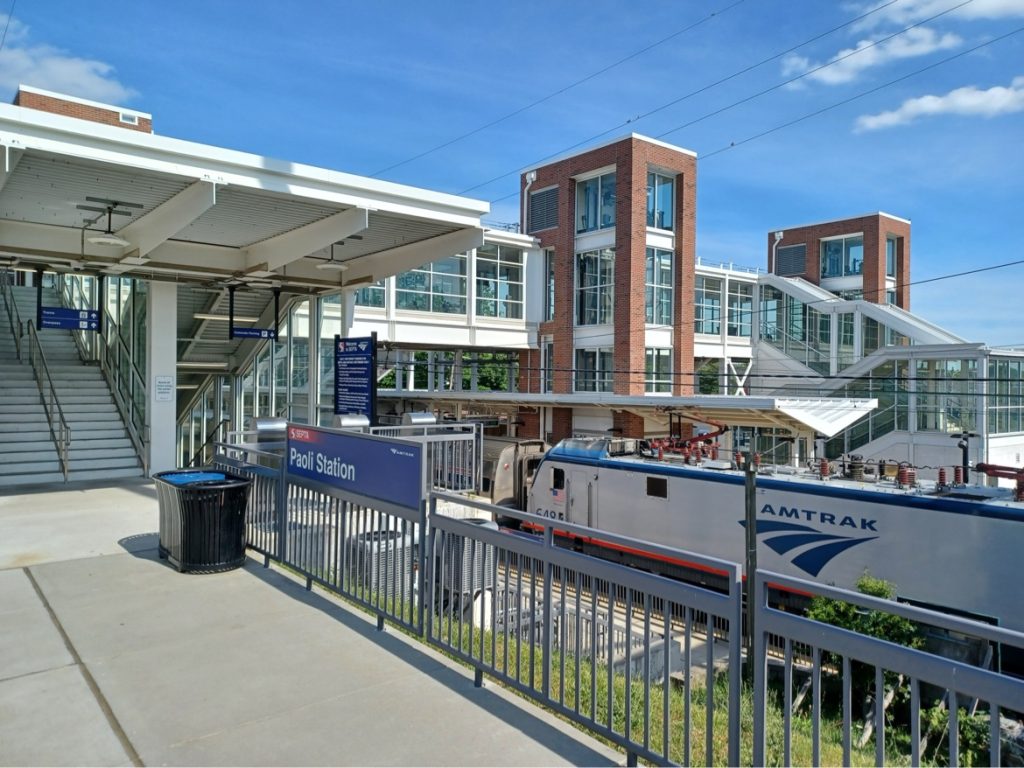
The Northeast Regional splits the difference on price and comfort at about one hour and 20 minutes, though it uses the same Amfleet coaches as Keystone on this stretch. Keystone remains the only Amtrak that runs through to Paoli in one seat, and west of 30th Street its shakiness has its own historic cause. The Main Line was built in 1832 to 1834 following the lay of the land to save money, packing 132 curves into the first 33 miles.
A few practical tips. Seats in the middle of a car sway less than those at the ends, and facing forward helps with motion sickness. Amtrak prices work like airline fares and climb sharply as departure nears, so booking two to four weeks ahead usually pays off. The cheapest option remains SEPTA to Trenton plus NJ Transit to New York, at about two and a half hours with a transfer.