
When Live! Casino & Hotel Philadelphia opened its doors in February 2021, the city was still deep in the grip of the coronavirus pandemic. Mask mandates were in place. Capacity limits were strict. The South Philadelphia Stadium District ordinarily animated by baseball, football and hockey crowds felt subdued.
Five years later, the casino marked its anniversary with a markedly different mood like celebratory, expansive and self-assured.
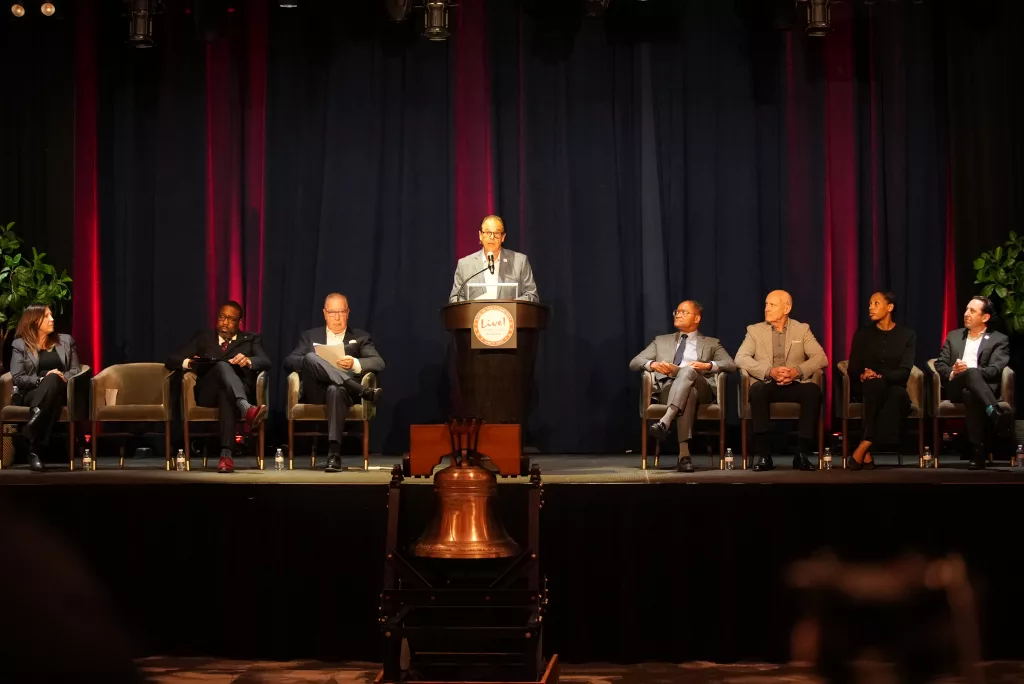
At a luncheon on Wednesday inside the Live! Event Center, executives from Live! Casino & Hotel Philadelphia and its parent company, The Cordish Companies, stood alongside city officials and community leaders to recount what they described as a half-decade of economic growth, job creation and neighborhood investment.
“What an incredible turnaround in five years,” said Ron Jaworski, the former Philadelphia Eagles quarterback, who played at the old Veterans Stadium beginning in 1977. He gestured toward the surrounding sports complex, calling the district “the only place in America” where visitors can find a hotel, casino gaming and four professional sports venues within walking distance.
Since opening on Feb. 11, 2021, Live! officials said the property has paid $72 million in gaming and wage taxes to the City of Philadelphia and $390 million to the Commonwealth of Pennsylvania. Executives reported that more than $200 million has been paid in wages and that over $173 million has been directed to minority, women and veteranowned businesses.
Nearly 13 million visitors have passed through the property’s doors, the company said, and almost $7 billion has been paid out to casino customers.
Joe Billhimer, chief operating and development officer of Cordish Gaming Group, described the early days of the casino as unusually difficult.
“Most of our team members, I didn’t know what they looked like for a year,” Mr. Billhimer said, recalling the period when staff members worked masked and socially distanced. Opening a large-scale hospitality project during a pandemic, he added, was “an incredible accomplishment.”
Today, the property employs roughly 1,284 workers, according to company figures, with more than half residing in Philadelphia. Over 700 internal promotions have been awarded since the casino opened, executives said.
City leaders framed the anniversary not only as a business milestone but also as a marker of civic partnership.
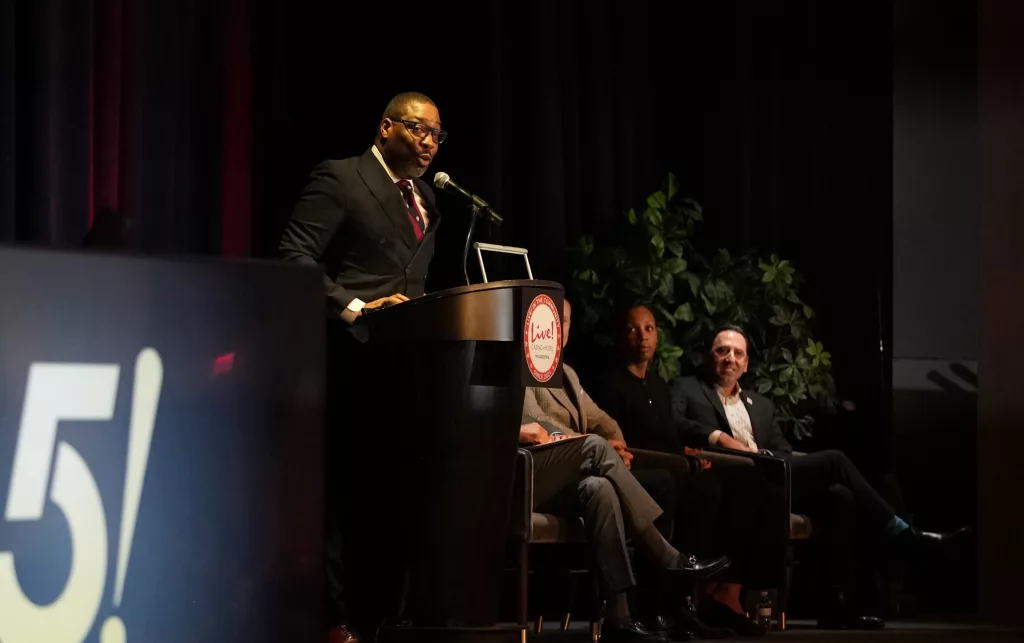
Kenyatta Johnson, the Philadelphia City Council president, presented a formal proclamation recognizing the casino’s fifth anniversary. He pointed to commitments made during the development process, including pledges to increase minority participation in construction and operations.
“They committed to 50 percent minority participation,” Mr. Johnson said. “Today, more than $155 million has gone to minority- and women-owned businesses.”
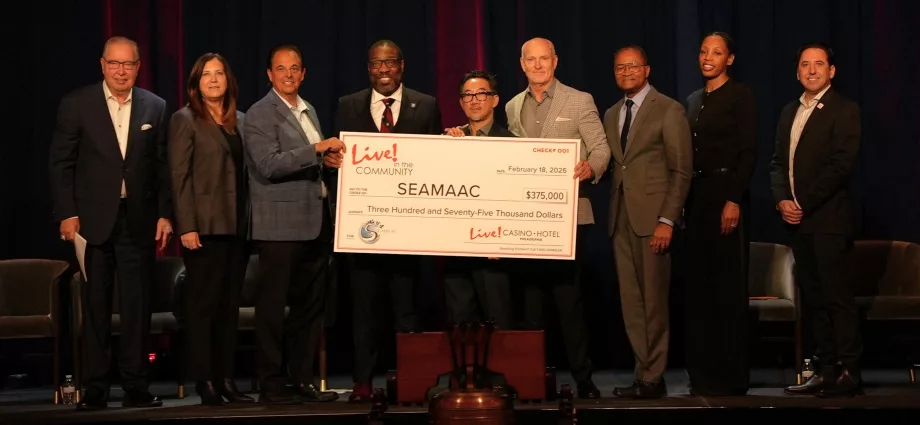
The event also included the presentation of a $375,000 grant to SEAMAAC originally known as the Southeast Asian Mutual Assistance Association Coalition, a South Philadelphia nonprofit organization celebrating its 42nd year. The funds will support a new headquarters on Snyder Avenue. Since opening, Live! executives said, the property has contributed nearly $15 million in cash donations, grants and in-kind support to regional nonprofit groups.
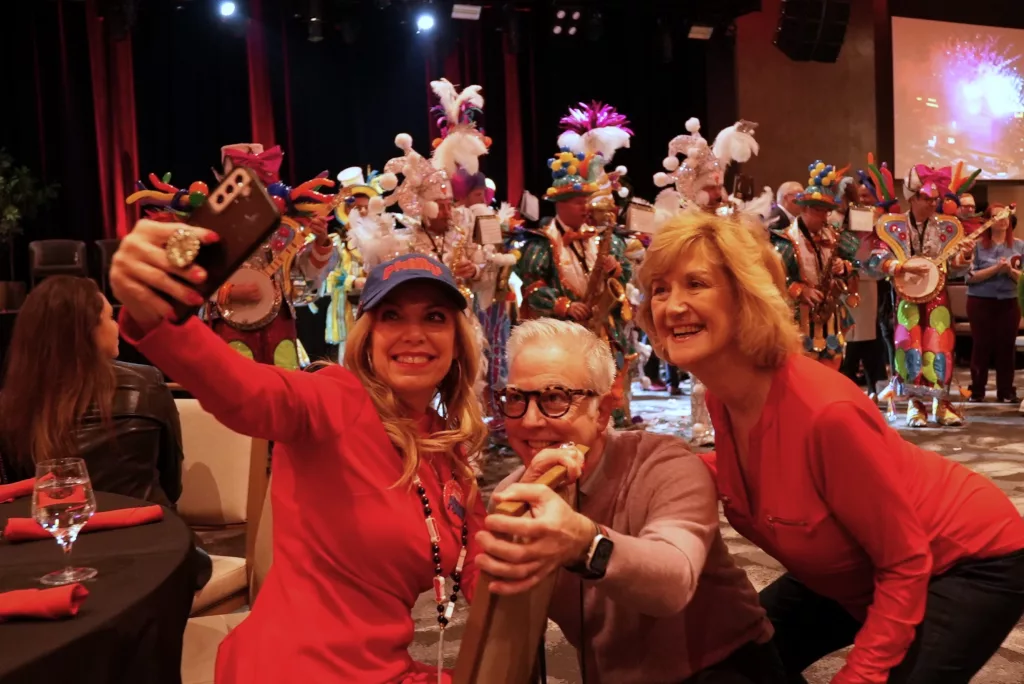
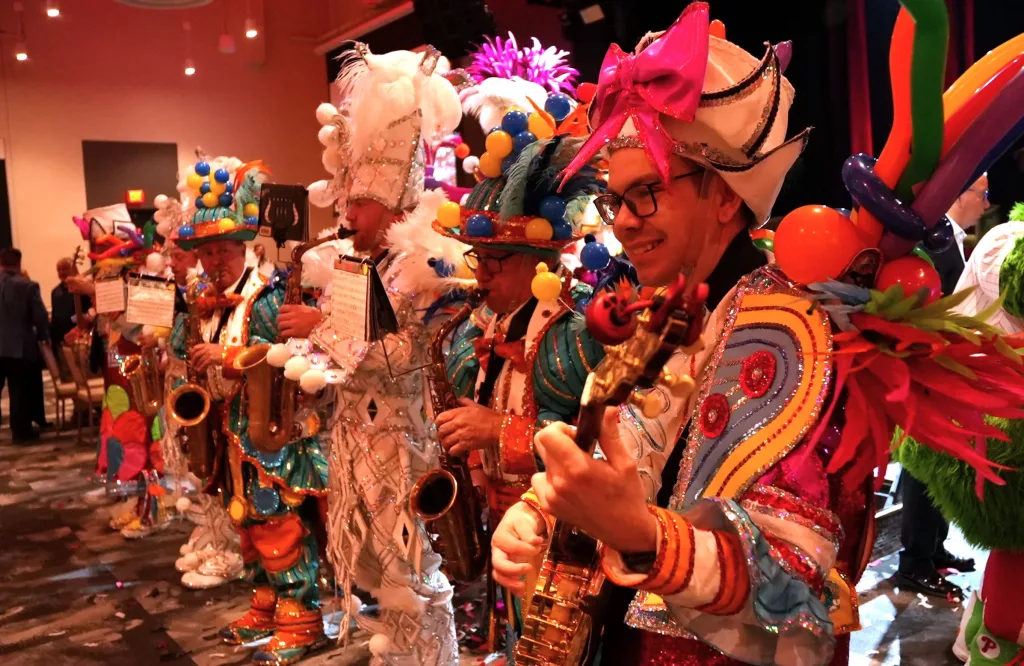
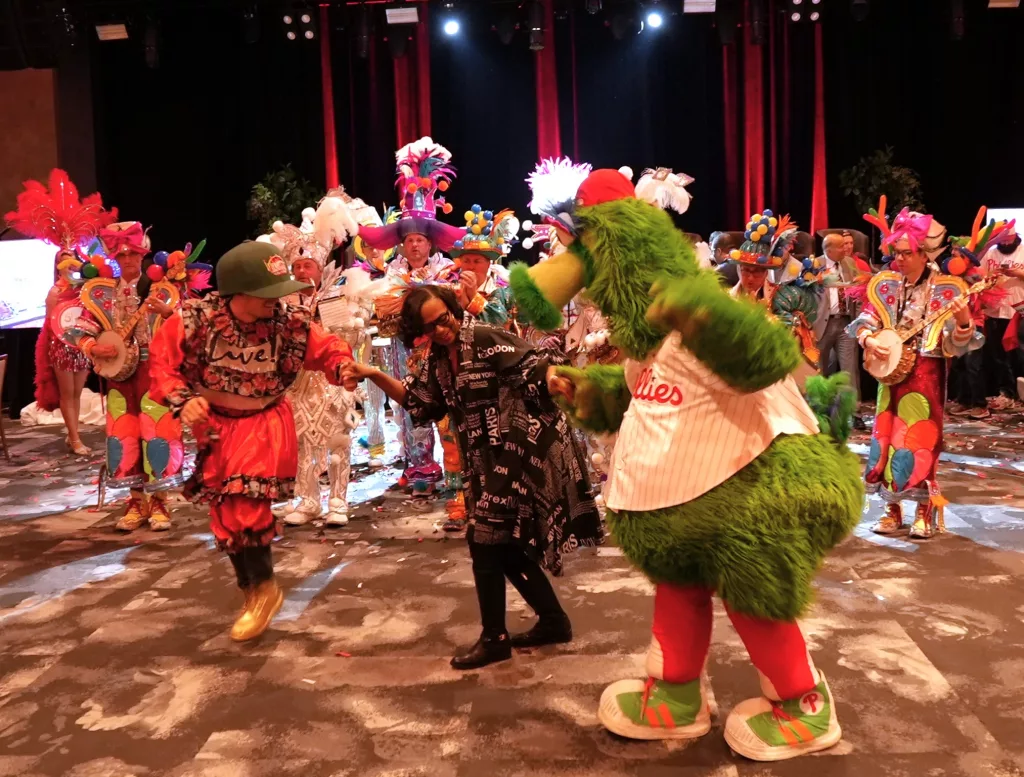
Projects cited Wednesday included upgrades to neighborhood athletic fields, renovations to Murphy Recreation Center and support for the city’s annual Mummers Parade.
Zed Smith, chief operating officer of The Cordish Companies, said the company takes what he described as a “long view” in its developments. He announced plans for an additional $20 million investment to expand Stateside Live, an adjacent dining and entertainment venue scheduled to open this spring.
“We don’t just develop projects,” Mr. Smith said. “We invest in communities.”
The ceremony concluded with a bell ringing as a symbolic gesture, executives said, to signal both celebration and continuity.
Five years after opening amid uncertainty, the casino now stands as a fixture in a district long defined by its stadiums. Whether its next five years will prove as transformative as its first may depend not only on visitor numbers and tax revenues, but also on how deeply it continues to embed itself in the surrounding community.