
K-Beauty Exports Hit a Record $2.79 Billion in the Third Quarter as Small Brands Lead the Way

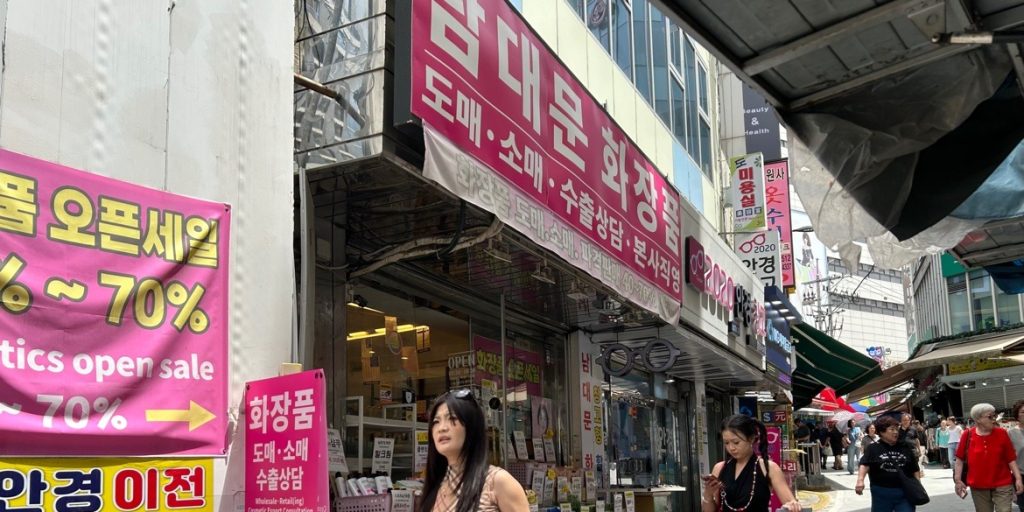
South Korean small and midsize cosmetics makers exported $2.79 billion worth of products in the third quarter, a record, the Ministry of SMEs and Startups said on Oct. 26. Exports rose 28.6 percent from a year earlier.
Exports for the first nine months reached $7.65 billion, up 26.4 percent, also a record for the period. Third-quarter exports have now set a record for three straight years, rising from $1.72 billion in 2024 and $2.17 billion in 2025.
Growth came from North America, Europe and Latin America. Exports to North America rose 33.1 percent, to Europe 58.6 percent and to Latin America 141.3 percent, a sign that export markets are diversifying.
The United States is the biggest market. Small and midsize exports to the United States reached $5.73 billion in the third quarter, up 19.6 percent, including $560 million in cosmetics, up 14.5 percent.
Online sales drove the growth. Small and midsize online exports reached $470 million in the third quarter, up 62.4 percent, and cosmetics accounted for 75.3 percent of that total. Online cosmetics exports reached $360 million, up 97.5 percent. Online cosmetics exports to Britain rose 729.6 percent and to the Netherlands 515.3 percent, making them hubs for European online sales.
The ministry attributed the growth to the strong online recognition of indie brands. Small brands are reaching overseas consumers directly through online channels, the ministry said.
Cosmetics lifted small and midsize exports as a whole. Total small and midsize exports reached $33.4 billion in the third quarter, up 8.8 percent and a record for the quarter. Exports for the first nine months reached $96.5 billion, up 9.5 percent. The number of exporting small and midsize companies reached 90,765, also a record.
Semiconductors rose too. Semiconductor exports reached $1.39 billion, up 68.8 percent, and semiconductor manufacturing equipment reached $1.14 billion, up 38.3 percent. Auto exports, by contrast, fell to $1.5 billion, down 42.4 percent, which the ministry attributed to shipping route closures caused by the war in the Middle East.
“Despite an unstable external environment, small and midsize exports are delivering results centered on K-beauty in key markets such as the United States and in emerging markets such as Latin America,” said Shim Jae-yoon, director general for global growth policy at the ministry. He said the government would strengthen support programs including export vouchers, overseas certification and joint expansion by large and small companies.
There is a structural reason small and midsize companies lead K-beauty exports. Indie brands handle planning and marketing while contract manufacturers known as ODM companies, such as Cosmax and Kolmar Korea, handle development and production. Brands can release new products quickly without carrying large inventories, and the manufacturers gain economies of scale by pooling orders from many brands. PwC found that indie brands’ exports grew 26.4 percent in 2024, above the 20.3 percent growth of cosmetics exports as a whole.
Distribution has changed too. While large brands expanded mainly across neighboring Asian countries, indie brands targeted competitive markets in North America and Europe from the start. Amazon and TikTok became the entry points. Brands test consumer response and build up reviews on Amazon, then move into offline stores such as Sephora and Ulta. TikTok became a channel for building exposure quickly through short videos and influencers. Olive Young is the hub at home, while Amazon, TikTok and Sephora anchor distribution abroad.
Korea already holds the top spot in the American market. Data from the U.S. International Trade Commission show that Korea became the leading source of U.S. cosmetics imports in 2024 with a 22.4 percent share, overtaking France for the first time. U.S. imports of Korean cosmetics reached $1.701 billion, against $1.263 billion from France. The momentum has continued this year. The Korea Health Industry Development Institute said cosmetics exports to the United States reached $1.8 billion in the first nine months, up 49.1 percent.
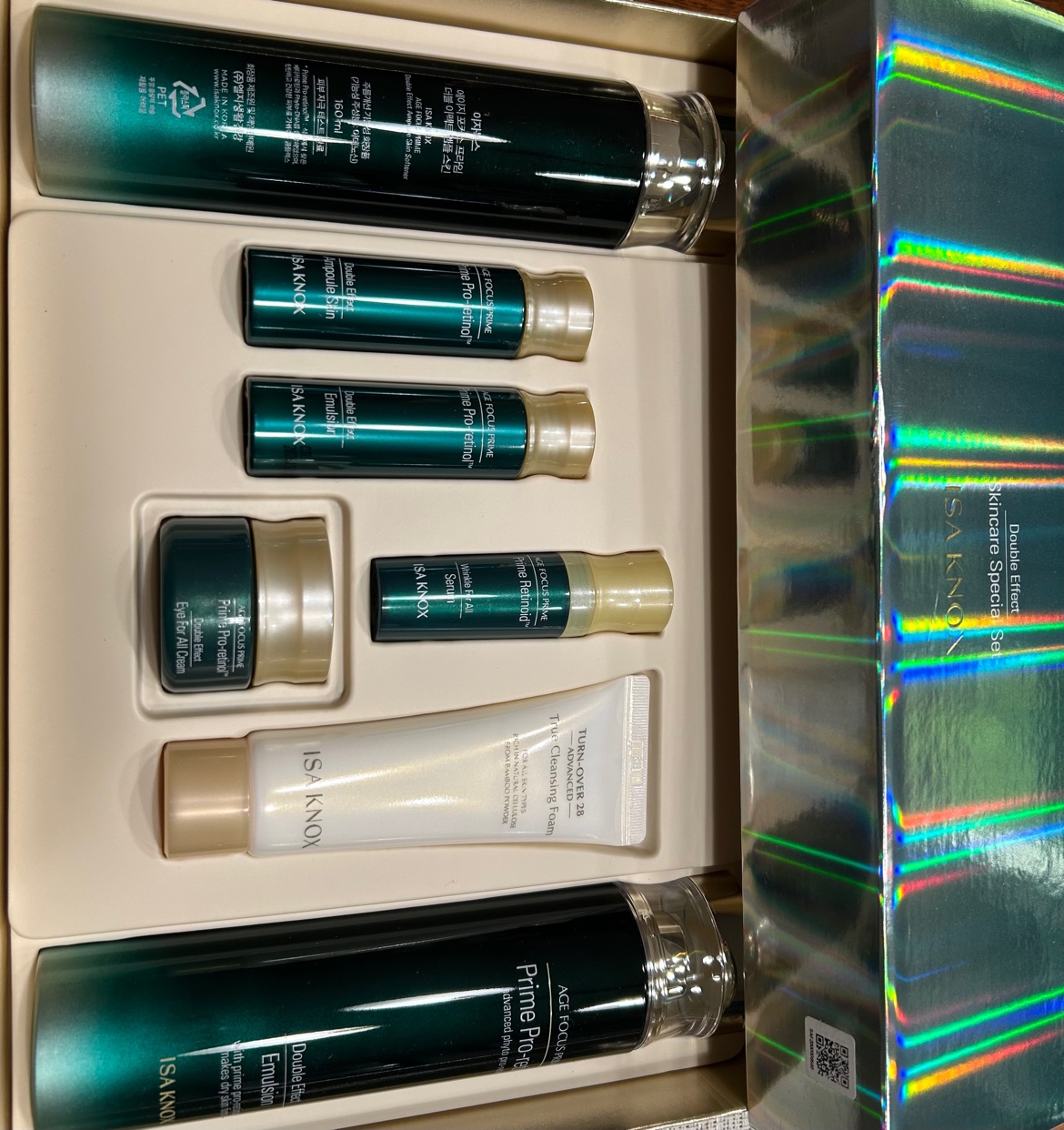
Total cosmetics exports including large companies are larger still. The Ministry of Trade, Industry and Energy said September cosmetics exports reached $1.506 billion, up 31.4 percent and a monthly record. Exports for the first nine months reached $11.139 billion, up 31.2 percent, just $280 million short of the $11.419 billion exported in all of last year. Small and midsize exports of $7.65 billion accounted for about 69 percent of the total. Skincare exports reached $8.71 billion, up 37.7 percent and accounting for 78.3 percent of the total.