
Winter Heating Bills to Rise 7% on Average, and Heating-Oil Households Face a 70% Jump

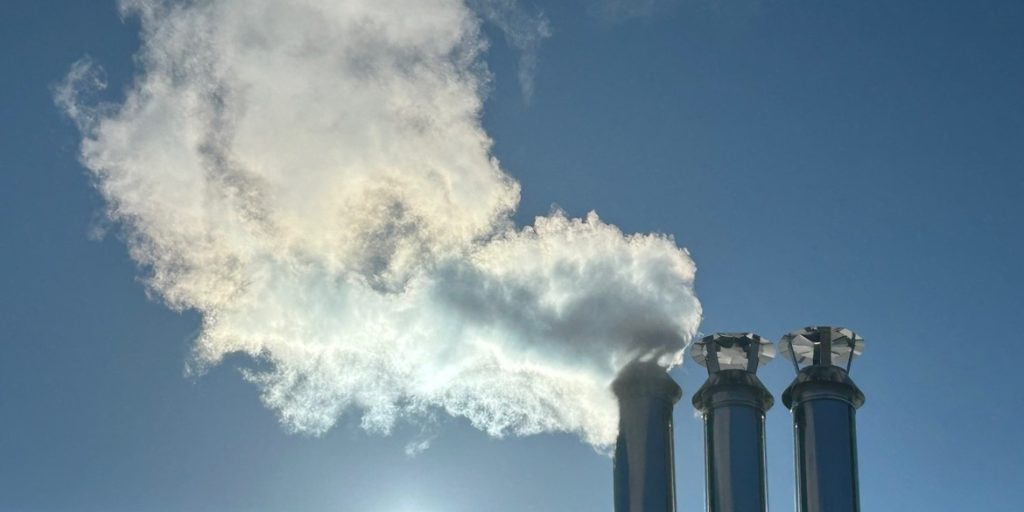
American households will pay an average of 7 percent more for home heating this winter than last year. Households that heat with heating oil face costs jumping by more than 70 percent.
The National Energy Assistance Directors Association said in a forecast released Nov. 10 that the average American household will spend $1,002 on heating this winter, up $66, or 7.1 percent, from $936 last winter. The New York Times reported the same forecast, saying average heating bills will rise 7 percent.
The pain varies sharply by fuel. Households that heat with heating oil are projected to pay an average of $2,977 this winter, a 70.2 percent jump from $1,749 last year. Households that heat with electricity will pay $1,215, up 6 percent, and those using propane will pay $1,350, up 5 percent. Natural gas heating costs are expected to stay roughly in line with last year.
Which Heating Is Cheapest
Whether electric heating is a good deal depends on what kind of electric heating it is. Resistance heating turns electricity directly into heat. One unit of electricity in produces one unit of heat, making it the most expensive way to heat by the unit of energy. A heat pump does not make heat at all. It moves heat from the outdoor air into the home, and one unit of electricity can deliver two to four units of heat.
The difference is clear when the cost of producing the same amount of heat is compared using national average rates from late 2024. A 95 percent efficient gas furnace costs about $1.05 for one therm of gas, a heat pump with a seasonal efficiency of about 2.3 costs about $1.92 for 12 kilowatt-hours of electricity, and resistance heating costs about $4.48 for 28 kilowatt-hours. Actual costs depend on local rates. Gas stays cheapest where gas rates are low, and a heat pump wins where electricity rates are low.
Places with winters that are not severely cold, like Philadelphia, favor heat pumps. Efficiency stays high for most of the season. When temperatures fall well below freezing, though, efficiency drops and backup electric heaters can kick in, pushing bills up. Up-front costs are higher for a heat pump. Installation runs $7,000 to $12,000, compared with $4,000 to $7,000 for a gas furnace, but a heat pump also works as an air conditioner, so annual operating costs including cooling are usually lower. For a home now heated with resistance electricity, switching to a heat pump is the single biggest way to cut the bill.
Nearly 5 million American households heat with heating oil, most of them in the Northeast and Alaska. The average heating bill in the Northeast is projected to rise 16.9 percent, or $221, to $1,532 from $1,311 last year.
Heating oil prices are soaring because supply has tightened. The association pointed to the war involving Iran as disrupting world fuel supplies. Heating oil comes from the same distillate stream as diesel and jet fuel, so when refiners make more jet fuel, heating oil supply shrinks. The U.S. Energy Information Administration put the national average heating oil price at $6.14 a gallon for the week ending Nov. 2, slightly down from the week before but nearly 70 percent higher than a year earlier.
Joe Adamski, managing director of ProcureAbility, a supply chain consulting firm, said the heating oil price rise is a direct result of the Iran war.
Heating oil is used mostly in older homes built before 1990, and the Northeast has many of them, which is why the region depends on it more than others. U.S. Census Bureau data show 59 percent of Maine households, 43 percent in New Hampshire, 40 percent in Vermont, 39 percent in Connecticut and 16 percent in Pennsylvania heat their homes with heating oil.
The burden falls hardest on low-income households. The association said about one in six American households is behind on utility payments, owing a combined $23 billion. Mark Wolfe, executive director of the National Energy Assistance Directors Association, said the increase may be no more than an inconvenience for high-income households but could be a disaster for low-income and middle-class families.
The weather may help somewhat. Forecasters expect a strong El Niño to bring a relatively mild start to winter. Lower heating demand could push actual bills below the forecast, though experts do not expect the weather to fully offset the rise in fuel prices.
Assistance is also under discussion. The association has urged Congress to provide funding before heating bills climb in earnest. The Low Income Home Energy Assistance Program, a federal program run by state governments, helps low-income households with heating and cooling costs. How much additional funding there will be, and when it will be decided, is not yet settled.
The forecast is only a prediction. Actual heating bills will depend on winter weather and fuel price movements. Numbers that are not yet settled should not be treated as settled facts.