
The SAVE America Act, a controversial election bill passed by the House on Feb. 11 by a narrow 218–213 vote, would require Americans to present documentary proof of U.S. citizenship such as a passport or birth certificate to register and vote in federal elections. The measure is now expected to face scrutiny in the Senate in the coming weeks.
Among those voting against the legislation was Chrissy Houlahan, a Democratic representative from Pennsylvania, who outlined her concerns in a newsletter sent to constituents on March 13.
In the letter, Ms. Houlahan said the proposal could impose new burdens on eligible voters while addressing a problem that election studies have consistently found to be extremely rare.
“It is important to say up front that there is no evidence at all of any widespread voter fraud in our elections,” she wrote.
What the Bill Would Require
The SAVE America Act would amend federal election law to require voters to present documentary proof of citizenship when registering to vote and again when casting ballots.
Acceptable documentation would include a U.S. passport, a state identification card or driver’s license showing citizenship status, or a driver’s license accompanied by a birth certificate bearing the same legal name.
For voters casting ballots by mail, the legislation would require a photocopy of those documents to be included with each ballot.
Supporters of the measure argue that the requirements are necessary to ensure that only U.S. citizens vote in federal elections. Critics, including many Democrats, say the bill risks complicating the voting process for millions of Americans.
Ms. Houlahan noted that only about half of Americans currently hold a passport. She also pointed out that driver’s licenses that explicitly confirm citizenship status are available in just five states — Michigan, Minnesota, New York, Vermont and Washington — and not in Pennsylvania.
As a result, many voters would need to present multiple documents to meet the law’s requirements.
Potential Impact on Some Voters
In her newsletter, Ms. Houlahan highlighted concerns that the law could disproportionately affect certain groups of voters, including married women whose legal names differ from those listed on their birth certificates.
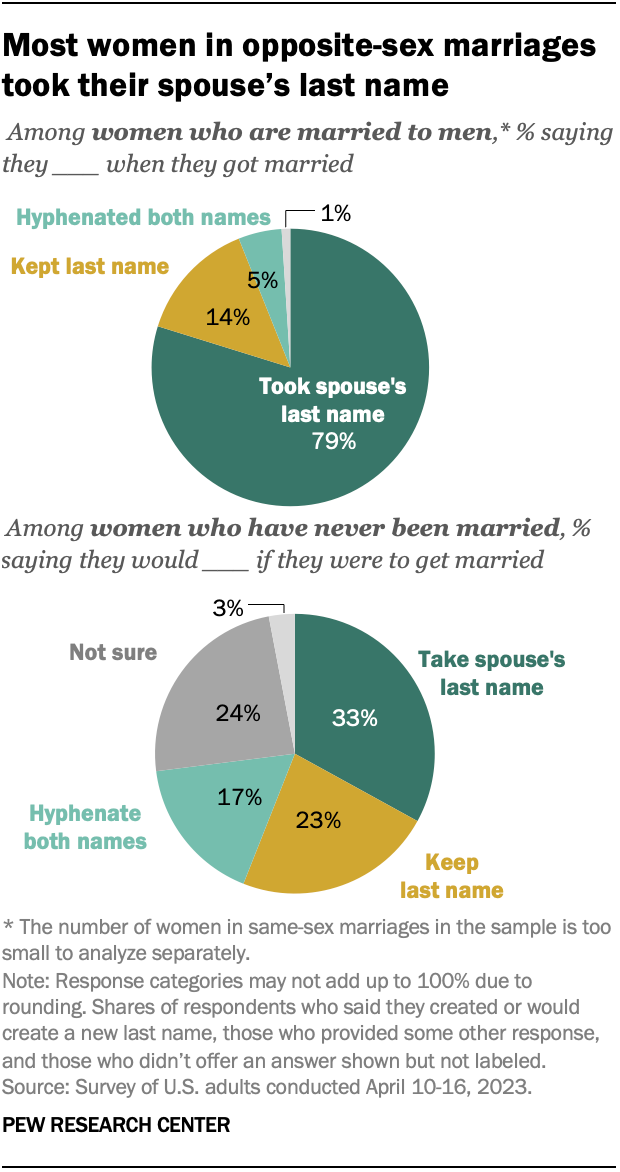
Research from the Pew Research Center shows that about 79 percent of American women adopt their spouse’s last name when they marry, and roughly 84 percent either change or hyphenate their surname.
Under the proposed law, those voters might need to provide additional documentation linking their birth name to their current legal name or complete a notarized affidavit confirming the change.
The legislation could also present complications for some military personnel. While a revised version of the bill allows Americans stationed overseas to vote using existing absentee procedures, servicemembers stationed within the United States could still be required to return to their home state to register in person if they had not previously registered.
Current Verification System
Election administrators already verify voter eligibility through several layers of checks during the registration process.
When registering, voters typically provide identifying information such as a driver’s license number, state ID number or the last four digits of their Social Security number. Election officials then cross-check those records against government databases before approving the registration.
Those databases include citizenship records maintained by the Department of Homeland Security.
Audits conducted in several states have consistently found that instances of non-citizen voting are extremely rare. A review of Michigan’s 2024 election, for example, identified 15 ineligible voters among 5.7 million ballots cast. Reviews in Georgia and Utah similarly uncovered only a handful of cases or none at all.
Senate Path Uncertain
The SAVE America Act passed the House largely along party lines, with Republicans supporting the measure and nearly all Democrats opposing it.
The bill now faces a more difficult path in the Senate, where at least 60 votes would likely be required to advance it to the desk of President Donald Trump.
For now, Ms. Houlahan said she would continue urging lawmakers to reconsider the legislation.
“Protecting our elections means making sure non-citizens cannot vote — which is already the law — and making sure that each and every eligible U.S. citizen can,” she wrote. “Both are critical to preserving our democracy.”