
September Inflation Hits 3.7 Percent as Energy Costs Climb

September consumer prices rose 3.7 percent from a year earlier, up from 3.4 percent in August, in the final inflation reading before the Federal Reserve’s Oct. 27 to 28 policy meeting. The Bureau of Labor Statistics released the report at 8:30 a.m. ET on Wednesday.
The increase was hotter than the 3.6 percent economists expected, putting the Fed further from its 2 percent inflation target.
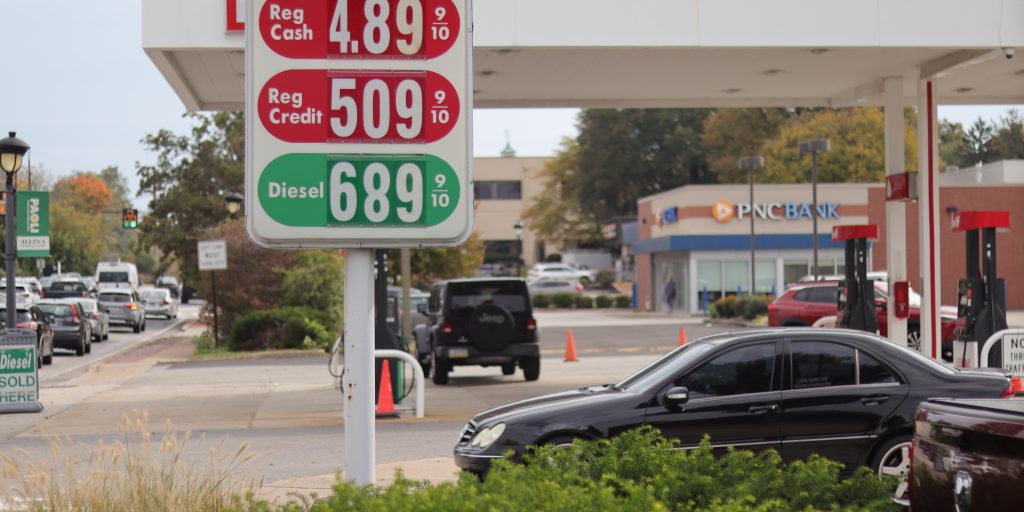
Energy did most of the pushing. Gasoline prices jumped 9.1 percent in September from August, accounting for more than half of the month’s overall increase, and the broader energy index rose 5.2 percent. Prices rose 0.6 percent from August on a monthly basis, matching expectations.
Underlying pressures ran hot as well. Core inflation, which strips out food and energy, rose 2.6 percent annually, up from 2.4 percent and above the 2.5 percent forecast, with a monthly gain of 0.3 percent. Shelter costs, the heaviest component of the index, rose 0.4 percent in the month, the fastest pace in five months.
The report lands at an awkward moment for the Fed. Policymakers raised rates in September, and the central bank must now decide whether October’s meeting brings a pause or another move. A surprisingly weak September jobs report, just 29,000 new positions, had strengthened the case for standing pat, but the hot inflation print complicates that calculus. After the release, traders raised the odds of an October rate hike to about 40 percent from 22 percent, according to CME FedWatch, and the 10-year Treasury yield jumped.
“There is significant upside risk to the September CPI,” RSM chief economist Joe Brusuelas told CNBC ahead of the release, warning that market models tend to underestimate inflation when oil prices surge this way.
For Philadelphia households, the number feeds directly into borrowing costs. Thirty-year mortgage rates in the region are running between 7 and 7.75 percent, and credit card and auto loan rates move with the Fed’s direction.
More data arrives before the meeting. The producer price index and retail sales both print Thursday, and the Fed’s Beige Book of regional economic conditions lands Wednesday afternoon.