The $0 Upfront Illusion: As Grid Crisis Looms, Greater Philadelphia Homeowners Weigh Solar Pros and Cons in 2026

Residential solar installation is transitioning from a trendy green upgrade to a financial survival strategy for homeowners across the Greater Philadelphia region. With major solar sales companies like LGCY Power aggressively marketing “$0 upfront” business models, residents exhausted by inflation and rising utility rates are paying close attention.
However, this rush toward solar is colliding with a massive regional controversy: the community-led backlash against AI data centers in Montgomery County and surrounding areas. Spanning Pennsylvania (PA), Southern New Jersey (NJ), and Delaware (DE), the Tri-State grid crisis has transformed the residential solar landscape. Because these solar agreements require 20-to-25-year commitments, homeowners must look past flashy marketing to weigh the real financial trade-offs in 2026.
Montgomery County Data Center Backlash Sparks ‘Rate Hike’ Fears
Across Montgomery County—specifically in Upper Merion, Plymouth, and Limerick townships—residents have launched major protests and legal challenges to block the construction of massive “hyperscale” AI data centers. While critics often dismiss local opposition as NIMBYism (Not In My Backyard), this resistance is rooted in a highly rational fear: grid depletion and skyrocketing utility bills.
The artificial intelligence boom requires an astronomical amount of electricity. According to reports from PJM Interconnection, the regional grid operator, accommodating these massive data centers will require billions of dollars in new transmission lines and substation infrastructure. Crucially, these massive capital infrastructure costs are legally passed down to everyday consumers, threatening to inflate the base customer rates for utilities like PECO and PSEG.
Residential utility rates in the Greater Philadelphia area are already steep. For instance, PECO customers pay around 24 cents per kWh, which is well above the national average. Facing the imminent threat of data-center-driven rate hikes, homeowners are increasingly viewing rooftop solar as a critical shield to secure predictable energy costs and achieve partial energy independence.
The Sunset of Personal Tax Credits and the Rise of Solar PPA/Leases
Historically, purchasing a solar system outright via cash or loan was the preferred path for affluent homeowners. This was heavily incentivized by the federal residential solar tax credit (Section 25D), which allowed individuals to deduct 30% of the installation costs from their federal taxes. However, with Section 25D officially sunsetting at the end of 2025, the out-of-pocket financial burden for individual homeowners to buy panels has dramatically risen in 2026.
This legislative shift has triggered a massive boom in the exact Power Purchase Agreement (PPA) and financial leasing models pushed by firms like LGCY Power. While personal tax credits have expired, the 30% commercial federal tax credit (Section 48E) remains fully active for corporations. Major solar developers utilize these corporate tax shelters to absorb the upfront equipment costs, passing the savings to homeowners by offering PPA electricity rates or monthly equipment lease terms that sit 20% to 40% below local utility prices. For the average family, it offers immediate utility savings with zero cash down.
The SREC Dilemma: Hidden Revenue Divided by State Lines
Despite the allure of an immediate, zero-down bill reduction, experts urge homeowners to scrutinize what they give up in a lease or PPA structure. The most significant hidden cost is the forfeiture of Solar Renewable Energy Certificates (SRECs). For every megawatt-hour of clean energy a rooftop system generates, an SREC credit is minted, which can be sold on the open market for substantial passive income. Under a PPA or lease, the solar developer retains ownership of the equipment—and explicitly sweeps all SREC revenue into their own corporate pockets.
The financial impact of losing your SRECs depends heavily on which side of the Delaware River you live on:
- New Jersey: NJ boasts one of the most lucrative SREC marketplaces in the United States. An individual homeowner who owns their panels outright can easily net anywhere from several hundred to well over a thousand dollars annually in pure SREC profit.
- Pennsylvania: PA maintains a moderate SREC market, yielding a few hundred dollars annually for a standard residential system.
- Delaware: DE features a much smaller, tightly capped market with lower fixed-rate payouts.
SECTION 1: STATE-BY-STATE SOLAR POLICY MATRIX
| Parameter | Pennsylvania (PA) | New Jersey (NJ) | Delaware (DE) |
|---|---|---|---|
| Primary Utilities | PECO, PPL Electric | PSE&G, Atlantic City Electric | Delmarva Power |
| Net Metering Policy | 1:1 Full Retail Rate | 1:1 Full Retail Rate | 1:1 Full Retail Rate |
| Excess Energy Payout | Annual cash-out check at retail value (May 31st deadline) | Indefinite rolling credit or annual wholesale rate credit | Rolling credit carried over indefinitely |
| SREC Market Status | Moderate (~$30–$40 per credit); Yields a few hundred dollars annually | Highly Lucrative (ADI/SUPSI Program); Yields up to $1,000+ annually | Small, tightly capped market; Fixed-rate structure via SEU |
| Property Tax Exemption | No (Rooftop solar can technically increase assessed value) | Yes (100% exempt from residential property tax assessments) | Yes (Solar systems are exempt from local property tax) |
SECTION 2: 20-YEAR FINANCIAL SAVINGS PROJECTIONS
| Financial Metric | Pennsylvania (PA) | New Jersey (NJ) | Delaware (DE) |
|---|---|---|---|
| Avg. Electricity Rate | ~24¢ / kWh (PECO) | ~19.6¢ / kWh (PSEG/ACE) | ~17.6¢ / kWh (Delmarva) |
| Typical System Size | 10.5 kW – 12.8 kW | 11.5 kW – 12.3 kW | 10.0 kW – 13.1 kW |
| Estimated Upfront Cost | $28,000 – $34,000 | $27,000 – $36,500 | $29,500 – $39,800 |
| 20-Year Utility Savings | $55,000 – $65,000 | $60,000 – $75,000 | $35,000 – $45,000 |
| 20-Year SREC Revenue | $6,000 – $8,000 | $15,000 – $22,000 | Minimal / Fixed |
| Net 20-Year Savings | $61,000 – $73,000 | $75,000 – $97,000 | $35,000 – $45,000 |
| Average Payback Period | 8 – 10 Years | 7 – 9 Years | 8 – 10 Years |
Therefore, Jersey and Pennsylvanian homeowners must calculate whether the monthly savings promised by a “$0 down” solar salesman actually outweigh the valuable SREC revenue they are legally signed over to lose.
The 25-Year Red Tape: Real Estate Red Flags and HOA Delays
No matter the state, a solar contract is a multi-decade marriage. If a homeowner decides to move before the 20-to-25-year term expires, they must legally transfer the PPA or lease agreement to the home buyer. Local real estate agents frequently report that prospective home buyers are deeply wary of inheriting long-term solar contracts, which can stall property sales or complicate the closing process.
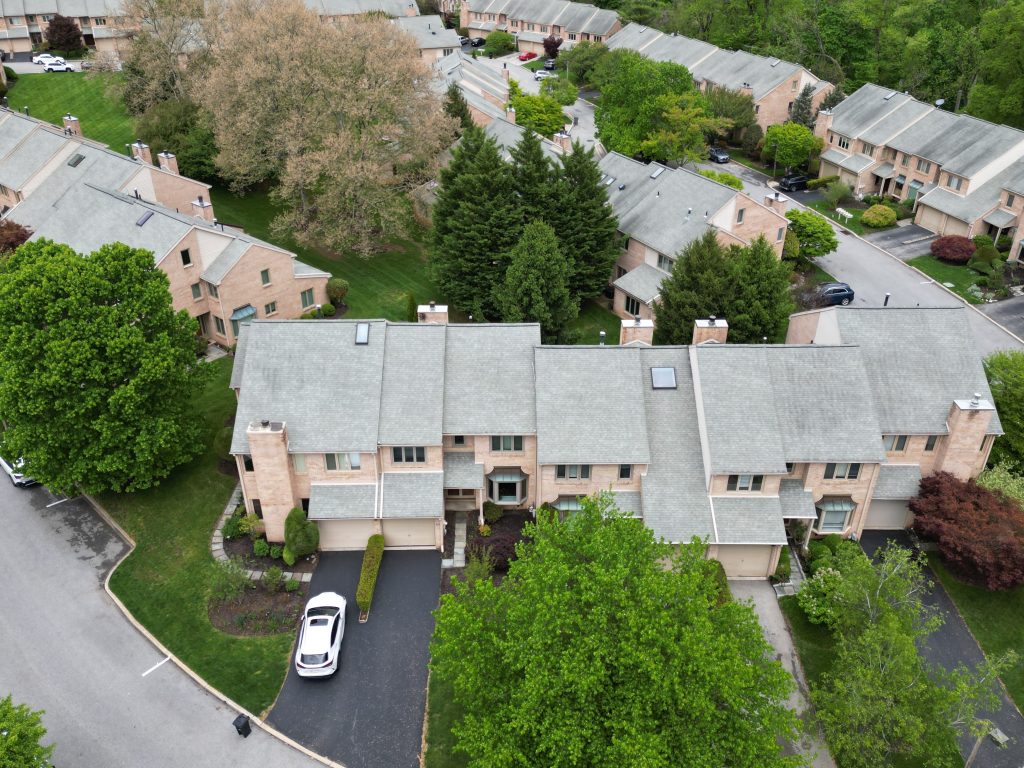
Furthermore, the Greater Philadelphia suburbs are heavily populated by planned developments, townhomes, and neighborhoods governed by strict Homeowners Associations (HOAs). Navigating historical or aesthetic architectural reviews for rooftop panels can delay a project by several weeks or months.
Before succumbing to high-pressure, door-to-door sales tactics, residents must thoroughly research whether a provider has a solid local reputation for successfully managing town permits and securing Permission to Operate (PTO) from local utilities like PECO, PSEG, or Delmarva Power.
Rooftop solar remains one of the most effective tools to combat the region’s looming grid crisis and soaring utility rates. However, long-term financial security requires consumers to look past the “free solar” marketing, verify that the initial PPA rate beats their current electric bill, and ensure the contract’s annual rate escalation clause (the percentage the price increases each year) is capped at a conservative level.