Energy Costs Push September Inflation to 3.7 Percent

The Bureau of Labor Statistics said Wednesday that consumer prices rose 3.7 percent in September from a year earlier, in a report released at 8:30 a.m. Eastern time. The gain widened from 3.4 percent in August and topped the 3.6 percent consensus in a Dow Jones survey, CNBC reported. It is the last inflation reading before the Federal Reserve’s Oct. 27-28 monetary policy meeting.
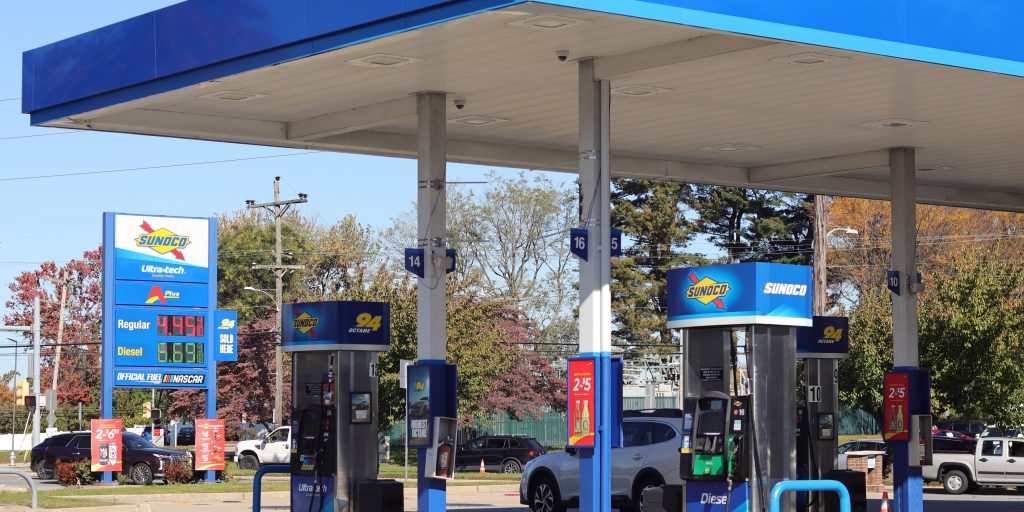
Energy drove the increase. Gasoline prices jumped 9.1 percent in a single month, accounting for more than half of the overall monthly rise of 0.6 percent. The energy index as a whole rose 5.2 percent from the previous month and 20.4 percent from a year earlier. Brent crude, the international oil benchmark, averaged $102.02 a barrel over September, according to the OPEC monthly report.
Core prices, which exclude food and energy, rose 0.3 percent in the month and 2.6 percent from a year earlier. The annual pace widened from 2.4 percent in August and exceeded the 2.5 percent forecast. But the gap between headline and core inflation grew to its widest of this cycle, a signal that the increase carries more the character of an energy supply shock than of broad-based demand overheating.
The shelter index rose 0.4 percent in the month. Food prices were unchanged from August, but cost 2.5 percent more than a year earlier.
The report lands at a tricky moment for the Fed. The central bank raised rates in September and must now decide whether to hold or raise once more at the October meeting. A softer-than-expected September jobs report, with only 29,000 new jobs, adds weight to the case for a hold.
Joe Brusuelas, chief economist at RSM, told CNBC ahead of the release that there was “considerable upside risk” in the September CPI. When oil prices surge the way they have, he warned, market models tend to underestimate inflation.
For households in the Philadelphia region, the figure translates directly into borrowing costs. Thirty-year fixed mortgage rates in the region sit between 7 percent and 7.75 percent, and credit card and auto loan rates also move with the Fed’s direction.
More data has arrived since the report. September retail sales rose 0.8 percent from the previous month, but gasoline did most of the work, with gas station sales surging 6.4 percent to account for about 70 percent of the increase, according to the Census Bureau, Reuters reported. The Fed’s Beige Book, its survey of regional economic conditions, said overall consumer spending showed little or no change in most regions.