What Ticks Carry, How to Spot It and Whether It Can Be Cured

Ticks are arachnids, not insects. They pass pathogens to people while feeding on blood. Not every bite causes disease. The tick must carry a pathogen, and it usually must stay attached for hours before transmission occurs. Tick-borne diseases do not spread from person to person.
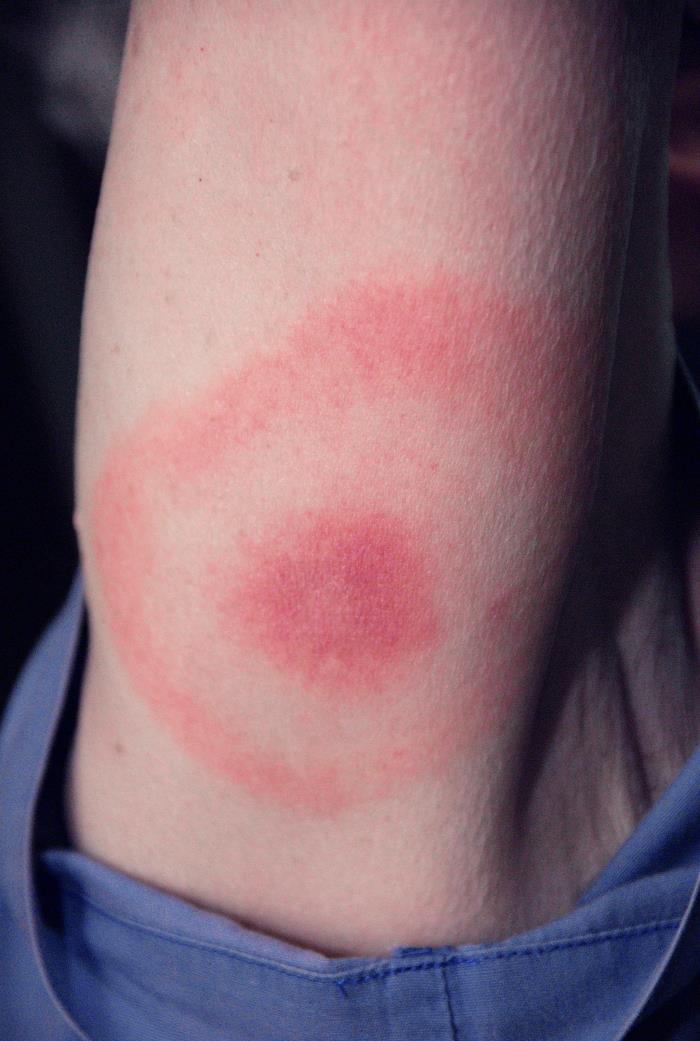
The most common tick-borne illness is Lyme disease. It is caused by the bacterium Borrelia burgdorferi, carried by the blacklegged tick, also called the deer tick. Symptoms typically appear 3 to 30 days after a bite and resemble the flu, with fever, headache, fatigue and muscle and joint pain. An expanding rash known as erythema migrans often appears, but it is not always shaped like a bullseye, and not every patient develops a rash.
Without prompt treatment, Lyme disease can spread to the joints, the nervous system and the heart. Joint arthritis, facial palsy and heart rhythm problems are among the complications.
The same tick carries other illnesses. Anaplasmosis typically brings high fever, chills, severe headache and muscle pain, and a rash is rare. Babesiosis is caused by a parasite that attacks red blood cells, producing fever, chills and fatigue, and it can be more severe in people over 50, people without a spleen and people with weakened immune systems. Ehrlichiosis causes similar fever, headache and muscle pain. Rocky Mountain spotted fever, Powassan virus and alpha-gal syndrome, a red meat allergy, are also tick related, but Lyme disease dominates in the Northeast.
Reported counts and estimates tell different stories. The Centers for Disease Control and Prevention estimates that about 476,000 Americans are diagnosed with and treated for Lyme disease each year, a figure distinct from the number of cases reported through surveillance. Pennsylvania reported more than 16,000 Lyme cases in 2024, among the highest totals in the country, and infected ticks have been confirmed in all 67 counties. Babesiosis is not a reportable disease in Pennsylvania, so no comparable state count exists.
Whether an illness can be cured depends on the disease and the timing. Early Lyme disease, anaplasmosis and ehrlichiosis are usually treated successfully with a few weeks of antibiotics, most often doxycycline. Babesiosis is treated with a combination of atovaquone and azithromycin, not the same antibiotic approach. Late diagnosis can mean longer treatment and lingering joint, nerve or heart problems. About 10 to 20 percent of Lyme patients report fatigue and pain for months after treatment, a condition called post-treatment Lyme disease syndrome. That lingering illness is not proof that bacteria remain.
Fall brings its own caution. Adult blacklegged ticks stay active in fall while temperatures remain above freezing. Checking the body, showering and laundering clothes after time outdoors or in brush are the basics. A fever or rash after a bite should prompt telling a clinician about tick exposure promptly.
This article provides general information only and is not medical advice.