
Plant Based Milks May Benefit Cardiovascular Health, but Experts Say Choose Wisely

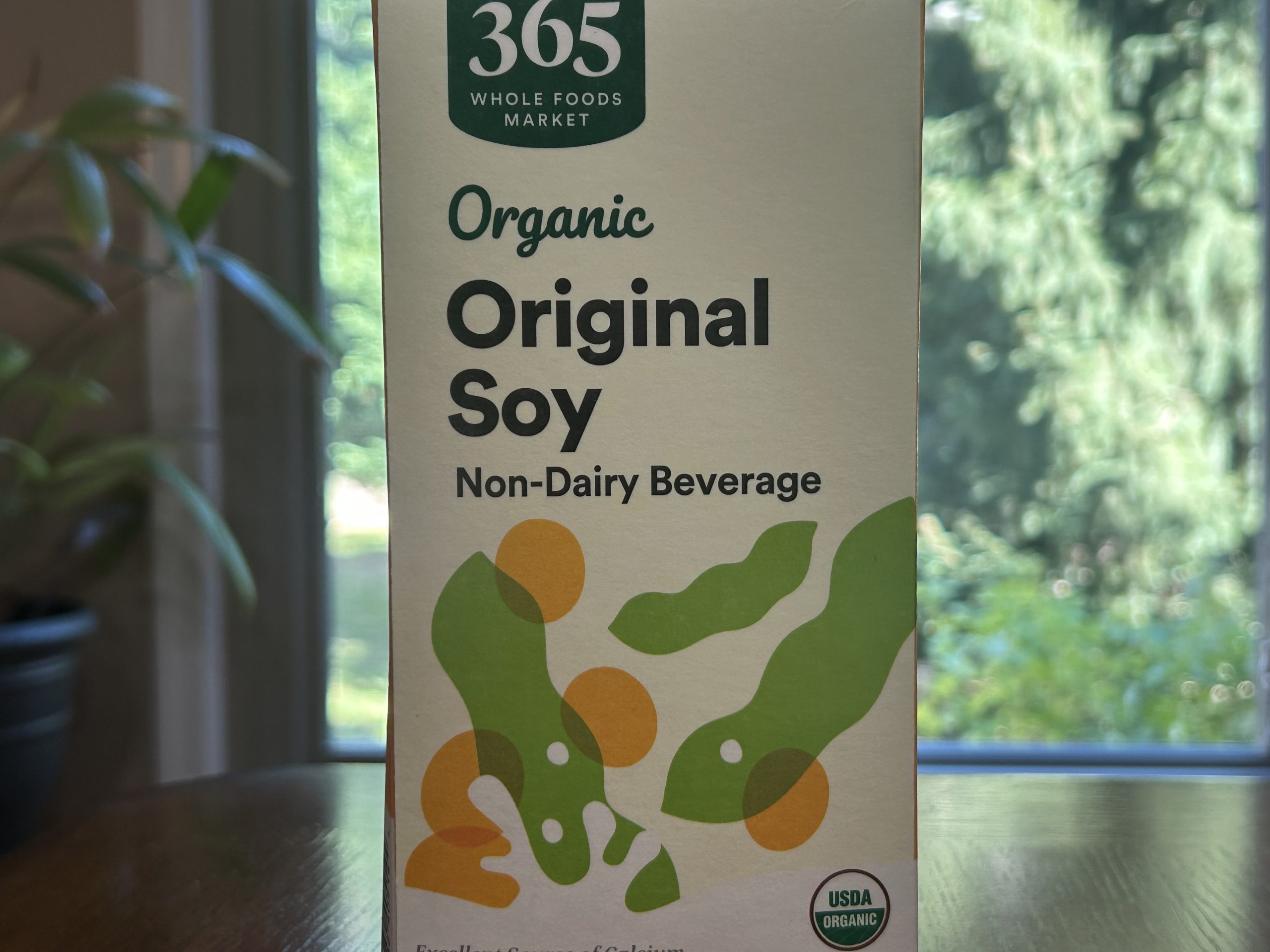
As plant-based milk consumption grows rapidly, attention is turning to its value as a health food. Nutrition experts positively assess that plant-based milks can be beneficial for cardiovascular health because they contain no cholesterol and are low in saturated fat. However, they also caution against the approach of simply replacing cow’s milk with any plant-based milk, as nutritional profiles vary widely by type.
Experts cite low saturated fat and zero cholesterol as key health benefits of plant-based milks. In particular, soy milk has been shown in some studies to help lower total and LDL cholesterol. The beta-glucan in oat milk, a type of dietary fiber, is expected to offer cardiovascular protection. Some research suggests that plant-based milk consumers tend to have higher fiber intake and lower saturated fat intake than dairy consumers.
Market growth is also notable. The global plant-based milk market was estimated at roughly $18–25 billion in 2025, with significant growth projected through the early 2030s. Oat milk has grown rapidly due to its creamy texture and sustainability appeal, while almond milk remains the volume leader but has seen recent sales declines.
However, the health benefits depend heavily on product choice. Only soy milk has a protein composition similar to cow’s milk. Almond milk (0.5 g protein per 100 ml) and rice milk (0.3 g) are very low in protein, so replacing cow’s milk with these can reduce protein intake. Micronutrients such as calcium, vitamin B12, and iodine are also naturally insufficient, making fortified products important. One analysis found that only about half of commercial plant-based beverages were fortified with calcium.
Added sugars and oils are also a concern. Many products contain added sugars or vegetable oils for taste and texture, so checking for “unsweetened” labels is recommended. Allergy risks from ingredients such as soy, nuts, and gluten should also be considered.
Experts recommend choosing based on purpose. For protein and milk replacement, soy milk is most suitable; for weight management, unsweetened almond milk; and for cardiovascular health and fiber, unsweetened oat milk may be considered. However, oat milk is high in carbohydrates, so caution is needed for those managing diabetes.
Ultimately, experts advise that plant-based milks should be understood not as “nutritional replicas of cow’s milk” but as distinct beverages with different strengths and limitations. The most reasonable approach from a health-food perspective is to use soy milk as a base, choose unsweetened and fortified products, and supplement insufficient protein and micronutrients with other foods.